
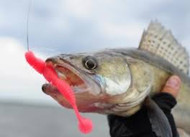
Best Paddle Tail Size for Lake Winnipeg Walleye: 4" vs 6"
Posted by Randal Zimmerman on Apr 17th 2026
Lake Winnipeg is a fishery where anglers need to balance control, profile, and visibility. That is especially true around Hecla Island, where wind, current, stained water, and aggressive fish can all shape what works best on a given day. One of the most common tackle questions anglers face is simple: what is the best paddle tail size for Lake Winnipeg walleye?
My answer is that both 4" and 6" paddle tails have a place, but they do different jobs. The key is understanding when each one gives you the best chance to catch fish.
That question is becoming even more important in Manitoba because anglers are going to need strong artificial bait options. Manitoba’s 2026 Anglers’ Guide says the harvest, possession, and use of live bait fish and leeches will be prohibited as of April 1, 2027. For anglers who have traditionally relied on live bait, plastics offer a practical and effective alternative.
For me, Z-Man DieZel MinnowZ are a strong option because they combine a lifelike baitfish profile, good swimming action, and durable 10X Tough ElaZtech construction. They hold up well, swim cleanly, and give anglers a reliable plastic for big-water walleye fishing.
Why Paddle Tail Size Matters
Paddle tail size affects more than just the look of the bait. It changes profile, vibration, water displacement, and how easy the bait is for fish to find.
On Lake Winnipeg, those details matter. A larger bait can push more water, show up better, and call fish in from farther away. A smaller bait can offer a cleaner, tighter presentation and sometimes matches the mood of the fish better. The right answer depends on conditions, fish activity, and how you want the bait to behave.
When to Use a 4" Paddle Tail
A 4" paddle tail is a very good all-around choice for Lake Winnipeg walleye. It gives you enough profile to be seen, but it still keeps the presentation balanced and controlled. It is a great place to start when you want versatility without going too large.
I especially like a 4" paddle tail when current is moderate, fish are active but not fully committed to larger profiles, I want a more balanced overall presentation, or I am pairing it with a jig and want the bait to track cleanly without overpowering the setup.
For colors, I really like the 4" Z-Man DieZel MinnowZ in Bad Shad, Mood Ring, Purple Death, and Smoky Shad. Those give a strong mix of natural baitfish looks and proven confidence colors for Lake Winnipeg conditions.
When to Use a 6" Paddle Tail
A 6" paddle tail is the better choice when you want more presence, more movement, and more drawing power. On Lake Winnipeg, especially around Hecla Island, bigger fish and aggressive fish are not automatically turned off by a larger plastic. In fact, there are times when a 6" bait is exactly what gets their attention.
I like a 6" paddle tail when the water is stained or visibility is reduced, wind and current make it important to create more presence, fish are aggressive and feeding well, or I want a larger target with more thump and water displacement.
The idea that a 6" paddle tail is too big for walleye does not really hold up on a fishery like Lake Winnipeg. Big water, heavy current, and hard-feeding greenback walleye often reward anglers who are willing to show fish a larger profile.
My preferred 6" Z-Man DieZel MinnowZ colors are Bad Shad, Smoky Shad, Pearl Blue Glimmer, and Purple Demon. Those colors give a very strong mix of natural, high-visibility, and confidence options.
4" vs 6": How I Think About It
If I had to simplify it, I think about it like this:
A 4" paddle tail is my balanced, versatile option.
A 6" paddle tail is my bigger-profile, more aggressive option.
The 4" is often where I start when I want to see what the fish are telling me. The 6" comes into play when I want more profile, more movement, or a bait that stands out better in tougher conditions.
That does not mean one is always better than the other. It means each size solves a different problem.
Match the Plastic to the Conditions
On Lake Winnipeg, a lot of tackle decisions come back to conditions. That is true with jig weight, and it is true with paddle tail size.
When fish are feeding aggressively, when visibility is reduced, or when you need a bait that stands out, the 6" paddle tail can be a major advantage. When you want a more controlled, balanced presentation that still looks substantial, the 4" is hard to beat.
The best answer is usually not theory. It is what helps the fish find the bait, track it cleanly, and commit to it.
Why Plastics Matter Even More Now
For a lot of anglers, plastics used to be just one option alongside live bait. That is changing. With Manitoba moving toward the April 1, 2027 prohibition on live bait fish and leeches, anglers who learn to fish plastics confidently now will be ahead of the curve.
That is one reason paddle tails matter so much. They are not just a backup plan. On Lake Winnipeg, they are a serious fish-catching tool that gives anglers profile, movement, durability, and the ability to adapt quickly to conditions.
My Recommendation
If you are packing plastics for a Hecla Island or Lake Winnipeg trip, bring both 4" and 6" paddle tails.
The 4" gives you versatility and a cleaner all-around presentation.
The 6" gives you more profile, more movement, and more fish-calling power.
That combination lets you adjust to the fish instead of forcing one answer all day.
For my own fishing, I like Z-Man DieZel MinnowZ in these colors:
4"
Bad Shad
Mood Ring
Purple Death
Smoky Shad
6"
Bad Shad
Smoky Shad
Pearl Blue Glimmer
Purple Demon
That lineup covers a very strong range of natural, dark, high-contrast, and confidence colors for Lake Winnipeg greenback walleye.
Final Thought
The best paddle tail size for Lake Winnipeg walleye is not one fixed answer. Both 4" and 6" plastics catch fish, and both deserve a place in your tackle system.
My advice is simple: start with the conditions, pay attention to how the fish are reacting, and carry both sizes so you can adjust. On big water like Lake Winnipeg, being prepared to change profile can make a real difference. And with Manitoba moving away from live bait fish and leeches in 2027, learning to fish plastics well now is only going to become more valuable.